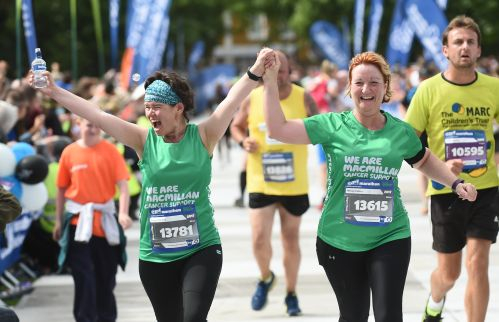
Completing a marathon is one of the most physically and mentally demanding achievements in endurance sport. Whether it was your first 26.2 miles or a return to the iconic streets and coastline of the Edinburgh Marathon, the moment you cross the finish line marks not the end of the journey, but the beginning of recovery. How you approach the days and weeks after a marathon will determine not only how quickly your body heals, but also how well you perform, feel, and stay motivated in the future.
Marathon recovery is not simply about resting until soreness fades. It is an intentional process of repairing muscle damage, restoring energy systems, calming the nervous system, and mentally resetting after months of focused training. Runners who respect recovery often come back stronger, while those who rush it risk injury, burnout, or prolonged fatigue.
Why Recovery After a Marathon Is Essential
Running a marathon places extreme stress on the body, even on relatively fast and flat courses like the Edinburgh Marathon. Thousands of muscle fibres are damaged through repetitive impact, glycogen stores are severely depleted, inflammation rises sharply, and the immune system is temporarily suppressed. Hormonal balance is disrupted, connective tissues are strained, and the brain itself becomes fatigued from sustained effort.
Without proper recovery, these systems cannot fully repair. This is why many runners feel unexpectedly exhausted, low in mood, or physically fragile in the days following a marathon. Recovery allows the adaptations from training and racing to take place. It is during this period that your body rebuilds itself stronger, making recovery just as important as the training that got you to the Edinburgh Marathon start line.
The First 24 Hours After the Marathon
The immediate post-marathon period is critical. What you do in the hours after finishing the Edinburgh Marathon can significantly influence soreness levels, immune function, and overall recovery speed.
Hydration should be addressed as soon as possible. Even in Scotland’s often cool conditions, dehydration is common after a marathon. Sip fluids regularly rather than drinking large volumes at once, and include electrolytes to help restore sodium balance.
Nutrition is equally important. Within the first hour after finishing, your body is primed to absorb carbohydrates and protein. Carbohydrates help replenish depleted glycogen stores, while protein supports muscle repair. Simple, easily digestible foods are ideal at this stage, as appetite may be suppressed despite high energy needs.
Gentle movement can help prevent stiffness, but this is not the time for aggressive stretching. A short walk after the finish helps circulation, but the priority should be getting warm, refuelling, and resting. Sleep on the night after the marathon is one of the most powerful recovery tools available, as deep sleep is when growth hormone release and tissue repair peak.
Managing Soreness and Fatigue in the First Week
In the days following a marathon, delayed onset muscle soreness typically peaks between 24 and 72 hours. After an event like the Edinburgh Marathon, which includes subtle downhill sections that increase eccentric muscle damage, this soreness can feel particularly intense.
During this phase, complete rest is often more beneficial than trying to “run it out.” Light walking or gentle movement can help circulation, but running should generally be avoided for several days. Many runners find low-impact activities such as swimming or easy cycling helpful once stiffness begins to ease.
Nutrition continues to play a major role throughout the week. Balanced meals containing carbohydrates, high-quality protein, healthy fats, and micronutrients support tissue repair and immune health. Appetite often fluctuates during this time, but under-fuelling can delay recovery and prolong fatigue.
Listening to your body is essential. Lingering soreness, heavy legs, disrupted sleep, or low mood are signals that your system is still recovering. Ignoring these signs in the days after the Edinburgh Marathon increases the risk of injury once training resumes.
When and How to Return to Running
One of the most common questions runners ask after a marathon is when they should start running again. The answer varies, but patience is key. Most runners can return to very easy running after seven to ten days, provided walking is pain-free and general fatigue has lifted.
The first runs back should feel almost too easy. Short durations, slow paces, and flat routes allow the body to reintroduce impact without excessive strain. Speed work, hills, and long runs should be avoided for at least two to three weeks, sometimes longer after a goal race like the Edinburgh Marathon.
A useful guideline is to allow roughly one day of recovery for every mile raced, meaning full recovery from a marathon can take three to four weeks. This does not mean complete rest for a month, but rather a gradual progression back to normal training loads.
Rehabilitation and Rebuilding After a Marathon
Marathon training often exposes weaknesses that do not become obvious until race day is over. Tight calves, sore hips, Achilles discomfort, or knee niggles commonly appear after events such as the Edinburgh Marathon. The recovery period is an ideal time to address these issues.
Strength training focused on the glutes, hips, calves, and core helps correct imbalances and reduce injury risk. Mobility work improves joint range of motion and running efficiency. Many runners benefit from seeing a physiotherapist during this phase to identify and treat underlying problems before the next training cycle begins.
Rather than viewing recovery as lost training time, it should be seen as an investment. The runners who return strongest are often those who used the post-marathon period to rebuild their bodies rather than rushing straight back into mileage.
Mental Recovery and Resetting After the Edinburgh Marathon
The mental side of marathon recovery is often overlooked. After months of structure, discipline, and anticipation, it is common to feel flat or unmotivated once the Edinburgh Marathon is over. This emotional dip is normal and does not mean you have lost your love for running.
Allowing time to reflect on the experience is important. Celebrate the achievement, regardless of finishing time, and acknowledge the effort that went into reaching the start line. Stepping away from rigid training plans for a short period can help restore enjoyment and perspective.
Some runners find it helpful to set a non-competitive goal, such as running socially, exploring new routes, or focusing on strength and mobility. Others benefit from taking a complete break from running for a week or two. There is no single correct approach, only what best supports long-term motivation and health.
Final Thoughts on Marathon Recovery
Recovering after a marathon is a process, not an event. Whether you ran the Edinburgh Marathon for a personal best, charity, or simply to challenge yourself, the way you treat your body afterwards matters. Rest, rehabilitation, and resetting are not signs of weakness, but essential components of sustainable running.
By prioritising recovery, you give your body the opportunity to heal fully, adapt positively, and prepare for whatever goal comes next. In doing so, you ensure that the achievement of finishing a marathon becomes a stepping stone rather than a setback — allowing you to run stronger, healthier, and happier in the future.