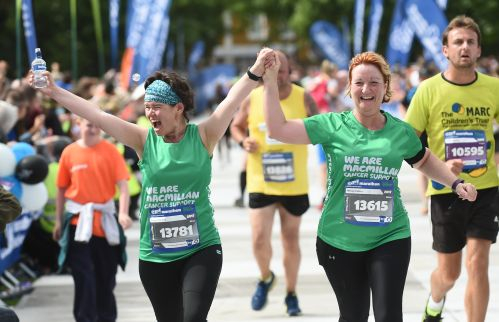
Hydration is one of the most important considerations for anyone taking part in the Edinburgh Marathon. As a mass participation marathon held in late spring, the event combines long duration, variable Scottish weather, and a fast coastal route that can place sustained demands on fluid balance. A thoughtful hydration approach can help runners maintain energy, manage effort, and support both performance and wellbeing throughout the 26.2-mile journey.
Understanding the Hydration Demands of the Edinburgh Marathon
The Edinburgh Marathon begins in the city and travels east toward the coast, finishing in Musselburgh. Although the course is famously flat and fast, the length of time spent moving means hydration requirements are significant for most participants. Many runners will be active for three to five hours or more, increasing sweat loss even when temperatures feel cool.
Late May conditions can be deceptive. Cool air temperatures, cloud cover, and coastal wind often mask fluid loss, making dehydration harder to recognise. At the same time, sunshine and sheltered sections of the route can quickly increase sweat rate. This variability makes proactive hydration especially important.
Hydration Preparation in the Days Before the Event
Effective hydration for the Edinburgh Marathon starts well before race day. Rather than dramatically increasing fluid intake the night before, runners benefit most from maintaining consistent hydration across the week leading up to the event.
Drinking regularly throughout the day, monitoring urine colour, and including electrolytes where appropriate helps ensure the body begins the marathon in a balanced state. Sodium intake is particularly important for runners who sweat heavily or who tend to drink large volumes of fluid.
Alcohol and excessive caffeine should be limited in the final days, as both can contribute to dehydration and disrupt sleep.
Race Morning Hydration Strategy
On marathon morning, hydration should be steady and controlled. The aim is to arrive at the start line hydrated but comfortable. Drinking small amounts of fluid in the two to three hours before the start is usually sufficient for most runners.
Stopping fluid intake around 30 to 45 minutes before heading to the start area can help avoid discomfort and unnecessary toilet stops. Some runners choose a small amount of electrolyte drink rather than plain water to support fluid retention.
Hydration During the Edinburgh Marathon
During the marathon itself, hydration should follow a planned approach rather than being left to chance. Aid stations along the Edinburgh Marathon course provide opportunities to take on fluids at regular intervals.
Taking small sips frequently is generally more effective than drinking large amounts infrequently. This supports absorption and reduces the risk of stomach discomfort. Many runners aim to drink every 20 to 30 minutes, adjusting slightly based on conditions and effort.
Electrolytes play an important role over the marathon distance. Replacing sodium lost through sweat helps maintain fluid balance and reduces the risk of cramping or dizziness later in the event.
Adjusting Hydration to Pace and Conditions
Hydration needs vary based on pace, body size, and individual sweat rate. Faster runners may require less fluid overall due to shorter exposure time, while those on the course for longer should prioritise consistency.
Coastal wind can increase evaporation, making dehydration less noticeable. Runners should pay attention to subtle signs such as rising heart rate, dry mouth, or increasing perceived effort at a steady pace.
Equally, overhydration should be avoided. Drinking excessively without electrolytes can dilute sodium levels, so balance is key.
Hydration and Energy Balance
Hydration and fueling work together during the marathon. Fluids help transport carbohydrates and regulate body temperature, while energy intake supports sustained effort. Practising hydration alongside nutrition during long training runs allows runners to understand how their body responds.
Combining fluids with small amounts of carbohydrate and electrolytes is often effective over longer durations.
Post-Marathon Rehydration and Recovery
After finishing the Edinburgh Marathon, rehydration supports recovery and comfort. Gradual fluid intake paired with food helps restore balance more effectively than water alone.
Continuing to drink steadily in the hours following the event supports muscle recovery, digestion, and overall wellbeing.
Building Confidence Through Practice
The most reliable hydration strategy is one that has been tested in training. Long runs provide opportunities to practise timing, fluid type, and volume. By refining this approach ahead of race day, runners can approach the Edinburgh Marathon confident in their hydration plan and focus on enjoying the experience.