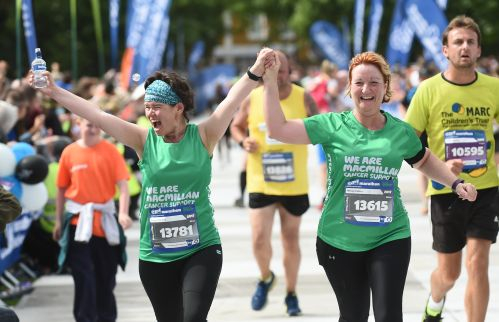
Running a marathon is as much a nutritional challenge as it is a physical and mental one. Whether you are preparing for your first 26.2 miles or chasing a personal best at an iconic race like the Edinburgh Marathon, what you eat before, during, and after the event can make the difference between hitting the wall and crossing the finish line strong.
Marathon nutrition is not about last-minute fixes or trendy superfoods. It is about consistent fuelling, careful timing, and understanding how your body uses energy over several hours of sustained effort. From the rolling countryside sections of the Edinburgh Marathon to its famously fast coastal finish, runners need a nutrition strategy that supports endurance, hydration, and recovery.
This complete guide explores exactly what to eat before, during, and after a marathon, helping you arrive on race day confident, fuelled, and ready to perform.
Why Marathon Nutrition Matters
A marathon places extreme demands on the body. Glycogen stores — the carbohydrates stored in your muscles and liver — are limited, typically lasting around 90 minutes of running. Once those stores are depleted, fatigue rises sharply, pace drops, and the infamous “bonk” or “wall” appears.
At races like the Edinburgh Marathon, where cool temperatures often tempt runners to push early, proper nutrition becomes even more important. Fuel too little and you risk exhaustion. Fuel poorly and you may suffer gastrointestinal distress. The goal is to balance energy intake with digestion, hydration, and comfort.
Understanding marathon nutrition allows you to maintain energy, regulate blood sugar, protect muscles, and accelerate recovery once the race is over.
The Week Before: Building the Foundation
Marathon fuelling does not begin the night before the race — it begins several days earlier. In the final week leading up to the Edinburgh Marathon, runners should focus on increasing carbohydrate intake while slightly reducing overall training volume. This process, often referred to as carbohydrate loading, ensures muscles are stocked with glycogen.
Carbohydrates should form the majority of your meals during this period. Foods such as rice, pasta, potatoes, oats, bread, fruit, and low-fibre cereals are ideal. Protein remains important for muscle repair, but heavy fats and excessive fibre should be moderated to avoid digestive issues.
Hydration is equally important. Drinking water consistently throughout the week helps support glycogen storage and reduces the risk of dehydration on race day.
The Night Before the Marathon
The pre-race dinner is often overcomplicated. In reality, the best meal before a marathon is familiar, carbohydrate-rich, and easy to digest. Many runners travelling to Edinburgh for race weekend make the mistake of experimenting with local cuisine the night before. While tempting, this is not the time for culinary adventure.
A simple meal of pasta with a mild tomato sauce, rice with lean protein, or potatoes with vegetables works well. Avoid excessive fat, spice, or alcohol, all of which can disrupt sleep and digestion.
Portion size matters too. Overeating will not “store extra energy” and may lead to bloating or poor sleep. The goal is comfortable fullness, not indulgence.
Breakfast on Marathon Morning
Race morning nutrition is arguably the most important meal of the entire marathon experience. Ideally, breakfast should be eaten two to three hours before the start of the Edinburgh Marathon, allowing time for digestion.
A good marathon breakfast is high in carbohydrates, moderate in protein, and low in fat and fibre. Common choices include porridge with honey, toast with jam, a banana, or a bagel with a small amount of nut butter. The key is familiarity — never eat something new on race day.
Hydration should continue in the morning, but excessive fluid intake right before the start can lead to discomfort. Sip water steadily and stop heavy drinking around 30 to 45 minutes before the gun goes off.
The Importance of Mid-Race Fuel
Once the race begins, fuelling becomes a matter of maintaining blood glucose levels and sparing muscle glycogen. During the Edinburgh Marathon, with its long, exposed stretches along the coast, energy dips can be especially noticeable if fuelling is neglected.
Most runners need to consume carbohydrates every 30 to 45 minutes during the race. This typically equates to 30–60 grams of carbohydrates per hour, depending on body size, pace, and experience.
Best Foods and Fuels During the Race
Energy gels are the most common choice during marathons because they are easy to carry and quick to absorb. However, sports drinks, chews, and even simple foods like jelly sweets can also be effective if well tolerated.
The key is practice. Whatever fuel you plan to use at the Edinburgh Marathon should be tested during long training runs. The digestive system is trainable, and practising fuelling reduces the risk of nausea, cramping, or bloating on race day.
Water should be consumed alongside carbohydrates, particularly with gels, to aid absorption. The Edinburgh Marathon’s aid stations are well spaced, making it easier to combine fuelling and hydration without carrying excessive supplies.
Electrolytes and Hydration
While carbohydrates provide energy, electrolytes help regulate muscle contraction and fluid balance. Sodium is especially important during long races. Even in Scotland’s cooler climate, runners can lose significant sodium through sweat.
Sports drinks or electrolyte tablets can help replace these losses. However, overhydration can be just as dangerous as dehydration. Drink to thirst and use aid stations strategically rather than consuming large volumes at once.
Immediate Post-Race Nutrition
Crossing the finish line of the Edinburgh Marathon is a major achievement, but recovery begins the moment the race ends. In the first 30 to 60 minutes after finishing, the body is primed to replenish glycogen and repair muscle damage.
This window is the ideal time to consume carbohydrates and protein together. A ratio of roughly 3:1 or 4:1 carbohydrates to protein is often recommended. Chocolate milk, recovery shakes, yoghurt with fruit, or a sandwich are all effective options.
Hydration should continue after the race, with water and electrolytes helping to restore fluid balance.
The Days After the Marathon
In the days following a marathon, appetite may fluctuate, but nutrition remains essential. Carbohydrates help replenish depleted energy stores, protein supports muscle repair, and healthy fats assist overall recovery.
Whole foods should be prioritised, including vegetables, fruits, lean proteins, whole grains, and healthy fats. While celebratory meals are part of the Edinburgh Marathon experience, maintaining balanced nutrition accelerates recovery and reduces post-race fatigue.
Listening to your body is crucial. Muscle soreness, inflammation, and fatigue are normal, but adequate nutrition can significantly shorten recovery time.
Common Marathon Nutrition Mistakes
One of the most common mistakes runners make is trying something new on race day. From unfamiliar gels to last-minute dietary changes, these decisions often lead to digestive distress. Consistency and familiarity are far more valuable than novelty.
Another mistake is under-fuelling due to fear of stomach issues. Ironically, inadequate fuelling often causes the very symptoms runners are trying to avoid. Practising fuelling during training is the solution.
Finally, neglecting recovery nutrition can prolong soreness and delay a return to normal training. The Edinburgh Marathon may be over in a few hours, but how you eat afterward affects your body for weeks.
Final Thoughts: Fuel for the Finish Line
Running a marathon is a remarkable test of endurance, and nutrition is the quiet partner that carries you through every mile. From the early morning start line in Edinburgh to the triumphant finish, what you eat before, during, and after the race shapes your performance and recovery.
By prioritising carbohydrates, practising your fuelling strategy, staying hydrated, and supporting recovery with balanced meals, you give yourself the best chance to enjoy the experience and perform at your best.
Whether the Edinburgh Marathon is your first or your fastest, smart nutrition ensures that your hard training translates into a strong, confident race day — and a finish line you can truly savour.