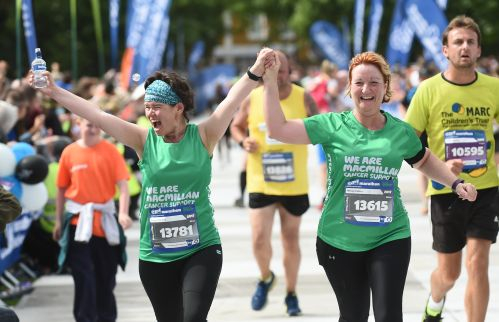
The Edinburgh Marathon is one of the most popular and fastest-growing marathon events in the United Kingdom, attracting tens of thousands of runners each year from around the world. Renowned for its scenic route, supportive crowds, and relatively flat profile, it is often described as one of the most beginner-friendly marathons in Europe while still offering the conditions needed for experienced runners to chase personal bests. Whether you are lacing up your shoes for your first 26.2 miles or returning to improve on a previous performance, understanding the course, the typical weather, and how to prepare effectively can make all the difference on race day.
This ultimate guide to running the Edinburgh Marathon covers everything you need to know, from a detailed breakdown of the course to practical advice on training, nutrition, and race-day strategy.
Overview of the Edinburgh Marathon
Held annually in late spring, usually in May, the Edinburgh Marathon Festival has grown into a multi-day running celebration that includes shorter races alongside the full marathon. The marathon itself is famous for its predominantly downhill and flat route, beginning in Scotland’s historic capital and finishing along the coastline in East Lothian. The event’s combination of urban landmarks, open countryside, and seaside views makes it as visually rewarding as it is physically achievable.
Thanks to its organisation, crowd support, and accessibility, the Edinburgh Marathon has become a bucket-list race for runners across the UK and beyond.
The Edinburgh Marathon Course: What to Expect
Understanding the course profile is essential for planning your pacing strategy and training focus. The Edinburgh Marathon course is point-to-point, starting in the city and finishing near Musselburgh, and is widely regarded as one of the fastest marathon courses in the UK.
The race begins near Edinburgh Castle, one of the most iconic landmarks in Scotland. The opening miles take runners through the heart of the city, passing historic streets and grand architecture. While these early sections are visually impressive, they can also be crowded, making it important to avoid starting too fast. The initial downhill can feel deceptively easy, but restraint in the first few miles is crucial to avoid fatigue later on.
As the course moves out of the city, runners head towards Holyrood Park and Arthur’s Seat. This area introduces gentle undulations rather than steep climbs, offering a change in rhythm without significantly disrupting pace. From there, the route gradually flattens as it transitions into quieter residential areas and open roads.
The second half of the Edinburgh Marathon is where the course truly shines for those aiming for consistent splits. Large stretches are flat and exposed, particularly as runners approach the coastline. The scenery opens up, with views across fields, estuaries, and eventually the North Sea. This section allows runners to settle into a steady rhythm, but the lack of shelter means wind can play a significant role.
The final miles take runners along the coast towards Musselburgh, finishing at Pinkie Playing Fields. The atmosphere at the finish is typically electric, with spectators lining the final stretch to carry exhausted runners over the line.
Overall, the Edinburgh Marathon course rewards patience, disciplined pacing, and strong aerobic fitness. While it is often marketed as downhill, the elevation change is gradual rather than dramatic, meaning runners still need solid endurance to perform well.
Weather Conditions at the Edinburgh Marathon
Weather is one of the most unpredictable yet influential factors in marathon running, and the Edinburgh Marathon is no exception. Taking place in late May, the event benefits from mild spring temperatures, which are generally favourable for long-distance running.
Typical race-day temperatures range from 10 to 16 degrees Celsius, making it cooler than many summer marathons but warmer than early spring events. These conditions are usually ideal for endurance performance, reducing the risk of overheating while still allowing muscles to stay warm and responsive.
However, Edinburgh’s coastal location means wind is often a significant consideration. Sections of the course, particularly in the latter stages near the sea, can be exposed to headwinds or crosswinds. On calm days, this presents little challenge, but when the wind picks up, maintaining pace can require additional effort and mental resilience.
Rain is always a possibility in Scotland, though heavy downpours are relatively rare at this time of year. Light rain can actually be beneficial by keeping runners cool, but it is important to prepare for variable conditions by choosing appropriate clothing and footwear.
Sun exposure should not be overlooked either. Clear skies combined with open stretches of road can lead to unexpected sunburn or dehydration, particularly for runners not accustomed to long runs in daylight hours. Using sunscreen and planning hydration carefully can help mitigate these risks.
Training and Preparation for the Edinburgh Marathon
Effective preparation for the Edinburgh Marathon begins months before race day. Most runners benefit from a structured training plan lasting between 16 and 20 weeks, depending on experience and fitness level.
Building a strong aerobic base is the foundation of marathon training. This involves gradually increasing weekly mileage through easy, conversational-pace runs. The relatively flat nature of the Edinburgh Marathon course means that sustained endurance is more important than hill-specific strength, although incorporating some gentle elevation changes into training can help prepare the body for minor undulations.
Long runs are a crucial component of preparation. These should gradually extend to at least 18 to 20 miles, allowing the body to adapt to prolonged time on feet. Practising pacing during long runs is particularly important for this event, as the early downhill miles can encourage runners to start too quickly.
Speed and tempo sessions also play a role, especially for those aiming for a personal best. Marathon-pace runs, where sections of long runs are completed at target race pace, help develop confidence and efficiency. Interval training can improve cardiovascular fitness, but it should be balanced carefully with recovery to avoid injury.
Tapering in the final two to three weeks before the race allows the body to recover fully while maintaining fitness. Reducing mileage while keeping some intensity ensures runners arrive at the start line feeling fresh rather than fatigued.
Nutrition and Hydration Strategy
Nutrition is often the deciding factor between finishing strong and hitting the wall. In the weeks leading up to the Edinburgh Marathon, runners should focus on a balanced diet rich in carbohydrates, lean proteins, and healthy fats. Carbohydrates are particularly important, as they replenish glycogen stores that fuel long-distance running.
Carbo-loading in the final days before the race can be beneficial, but it should be done sensibly. Increasing carbohydrate intake slightly while reducing training volume allows muscles to store more glycogen without unnecessary weight gain or digestive discomfort.
During the race itself, a well-practised fueling strategy is essential. Most runners benefit from consuming carbohydrates every 30 to 45 minutes, typically in the form of gels, chews, or sports drinks. The Edinburgh Marathon provides water and energy drinks at regular intervals, but it is wise to practise with whatever products you plan to use on race day.
Hydration needs vary depending on weather conditions and individual sweat rates. Drinking to thirst is generally effective, but runners should remain aware of signs of dehydration, particularly if conditions are warm or windy.
Race-Day Tips for Success
On race morning, arriving early helps reduce stress and allows time for a relaxed warm-up. The Edinburgh Marathon’s start area can be busy, so knowing your wave or start time in advance is essential.
Pacing is perhaps the most important race-day consideration. The gentle downhill start can make it tempting to run faster than planned, but conserving energy early pays dividends later. A steady, controlled pace through the first half increases the likelihood of a strong finish.
Mental preparation is just as important as physical readiness. Breaking the marathon into manageable sections can help maintain focus and motivation. Many runners find it helpful to treat the race as two halves or even four quarters, concentrating only on the segment ahead rather than the full distance.
Finally, embracing the atmosphere and support along the route can provide a significant psychological boost. The Edinburgh Marathon is known for its enthusiastic volunteers and spectators, particularly near the finish, where their encouragement can carry runners through the final miles.
Why the Edinburgh Marathon Is Worth the Effort
The Edinburgh Marathon combines history, natural beauty, and runner-friendly design in a way few races can match. Its fast course, supportive environment, and scenic setting make it an appealing choice for both first-time marathoners and seasoned athletes.
With the right preparation, an understanding of the course, and respect for the weather conditions, the Edinburgh Marathon offers a rewarding and memorable running experience. Whether your goal is simply to finish or to achieve a personal best, this iconic Scottish race has all the ingredients to make your marathon journey truly unforgettable.