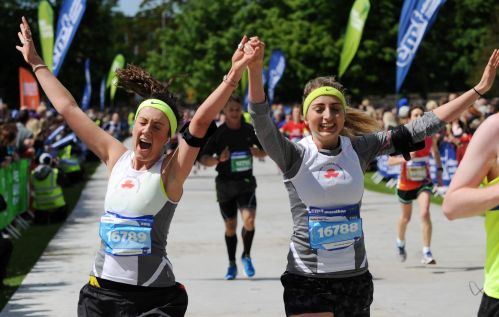
The final two weeks before the Edinburgh Half Marathon are about turning months of training into your best possible race-day performance. Your longest runs are complete, your endurance has been developed and there is little fitness left to gain. The priority now is to reduce fatigue without allowing your legs to lose their usual rhythm.
This process is known as tapering. A successful Edinburgh Half Marathon taper involves running less, recovering more and retaining small amounts of faster work. It also gives you time to organise your nutrition, equipment, transport and pacing strategy.
The temptation to complete one final hard workout can be strong, particularly if you have missed a session or feel uncertain about your fitness. Resist it. Training gains take time to appear, whereas soreness and fatigue can follow you directly to the start line.
Why Taper Before a Half Marathon?
Half marathon training creates accumulated fatigue in your muscles, joints and nervous system. This can mask your true level of fitness, making your legs feel heavier than they should.
Reducing your workload allows that fatigue to fade. Your muscles have time to repair, energy stores can be replenished and minor aches may settle. At the same time, maintaining a little intensity helps you feel sharp rather than sluggish.
You will not lose meaningful endurance fitness during a sensible two-week taper. The greater risk is continuing to train too hard and arriving at the Edinburgh Half Marathon feeling tired.
Two Weeks Before the Edinburgh Half Marathon
With two weeks remaining, reduce your normal running volume by approximately 20 to 30 per cent. You can keep your usual number of running days if that routine suits you, but shorten the individual sessions.
For example, an eight-kilometre weekday run might become five or six kilometres. Easy runs should be completed at a conversational pace, without attempting to hit an ambitious time.
Your final longer run will depend on your experience, weekly mileage and training plan. For many runners, a comfortable run of approximately 12 to 16 kilometres is enough. It should reinforce your endurance without becoming another race simulation.
Avoid running the full half marathon distance at race pace. The potential confidence boost is unlikely to outweigh the fatigue and recovery required.
Keep Some Half Marathon-Pace Running
Reducing your overall mileage does not mean eliminating every challenging effort. Small amounts of half marathon-pace running can preserve your coordination, confidence and sense of pace.
During the first taper week, you might complete a short session containing several controlled kilometres at your intended race pace. Include easy running before and after the faster section.
Another option is a light interval session with a reduced number of repetitions and generous recovery. You could also add four to six relaxed strides at the end of an easy run.
These efforts should feel controlled. Finish each session knowing you could have completed another repetition. The purpose is to maintain sharpness, not to prove that you are ready.
Prioritise Sleep and Recovery
Sleep is one of the most effective recovery tools available during your Edinburgh Half Marathon taper. Aim for consistent sleep across the entire fortnight rather than relying on one perfect night immediately before the race.
Race-day nerves and an early alarm may affect your sleep on the final night. This is common and should not undermine your confidence. Several nights of good rest beforehand will matter more.
Reduce or pause heavy strength training, particularly lower-body exercises that cause soreness. Avoid unfamiliar fitness classes, demanding hikes and other activities that create unnecessary fatigue.
Continue with gentle mobility work if it is already part of your routine. However, do not introduce aggressive stretching, deep massage or a completely new recovery treatment just before race day.
Nutrition During Your Half Marathon Taper
Continue eating balanced meals throughout the taper. A reduction in training volume does not mean your body no longer requires adequate fuel. You still need energy to recover, repair muscle tissue and restore glycogen.
Include familiar sources of carbohydrates, protein and healthy fats in your meals. Useful carbohydrate options include:
-
Rice
-
Pasta
-
Potatoes
-
Bread
-
Oats
-
Cereal
-
Fruit
-
Familiar snack bars
Protein supports muscle repair, while carbohydrates provide much of the energy you will use during the race.
A half marathon does not normally require the same aggressive carbohydrate-loading strategy as a marathon. However, slightly increasing your carbohydrate intake during the final day or two can help ensure your glycogen stores are full.
Spread carbohydrates across normal meals and snacks rather than relying on an enormous dinner the night before. Avoid unfamiliar supplements, unusually rich food and anything that has caused stomach problems during training.
Hydration Before Race Day
Aim to stay consistently hydrated during race week. Drink regularly according to thirst and consider the colour of your urine as a general guide. Pale yellow usually suggests suitable everyday hydration.
Do not attempt to compensate for poor hydration by drinking excessive amounts on the night before or morning of the race. Overhydration can cause discomfort, interrupt sleep and, in extreme circumstances, become dangerous.
An electrolyte drink may be helpful if race day is expected to be warm or if you tend to sweat heavily. Use only products that you have already tested during training.
Alcohol can affect sleep, hydration and recovery, so limiting or avoiding it during the final days is a sensible choice.
Edinburgh Half Marathon Race Week
During race week, reduce your running volume further—often to around half of your normal weekly mileage or less. Keep individual runs short and comfortable.
A typical final week may include two or three easy runs, a brief session with a small amount of race-pace running, and an optional shakeout run before race day. Your established training plan should take priority over any last-minute changes.
Use the extra time to organise your race-day logistics. Confirm your travel, accommodation, start time, transport arrangements and bag-drop requirements. Allow extra time for queues and unexpected delays.
Edinburgh’s weather can be changeable, so prepare for a range of conditions. Check the forecast close to race day and bring suitable options for cool, wet, windy or unexpectedly warm weather.
Prepare Your Half Marathon Race Kit
Pack your equipment early rather than leaving everything until the night before. Your race-day checklist could include:
-
Tested running shoes
-
Comfortable running socks
-
Race clothing
-
GPS watch and charger
-
Race number and safety pins
-
Energy gel or other tested fuel
-
Anti-chafing product
-
Warm clothing for the start
-
Dry clothes for after the finish
Do not race in new shoes or unfamiliar clothing. Even a minor seam, label or fit issue can become painful over 13.1 miles.
Eat the same pre-run breakfast you used during training. Race morning is not the time to test a new food, drink or supplement.
Managing Taper Anxiety
It is common to feel restless or doubtful as your running volume decreases. You may become unusually aware of small aches or interpret heavy legs as a sign that you have lost fitness.
These sensations are often part of the taper. Avoid testing yourself with an extra tempo run. Instead, look back at the consistent training you have completed.
Minor stiffness may settle with rest and easy movement. Sharp, worsening or gait-altering pain deserves more caution and may require advice from an appropriate healthcare professional.
Pacing the Edinburgh Half Marathon
Decide on your pacing strategy before race morning. Base your target on training evidence, recent performances and expected weather conditions rather than race-day excitement.
Start conservatively. The opening miles may feel unusually easy because you are rested and surrounded by other runners. Going out too quickly can make the later stages much harder.
Aim for a controlled early effort and settle into your target pace gradually. If you still feel strong in the closing miles, you can increase your effort. A disciplined start creates the opportunity for a confident finish.
The Final 48 Hours
Keep the final two days calm and predictable. Limit unnecessary walking, eat familiar meals and prepare your kit in advance. Set multiple alarms and allow enough time for breakfast, travel, toilet queues and your warm-up.
If you sleep poorly the night before the race, do not panic. One restless night will not remove the fitness you have built.
Your Edinburgh Half Marathon taper is ultimately an exercise in trust. Reduce your mileage, retain a little speed, prioritise recovery and avoid last-minute experiments. The hard work is complete. Your task now is to arrive at the start line rested, fuelled and ready to race.