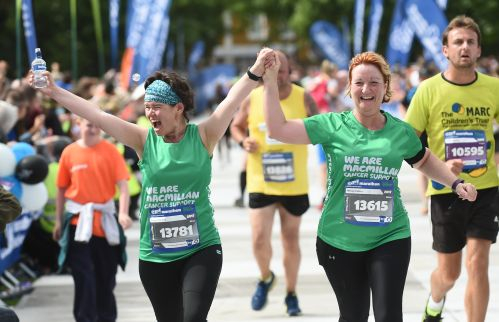
The final two weeks before the Edinburgh Marathon can feel surprisingly difficult. After months of long runs, early mornings and demanding training sessions, reducing your mileage may seem counterproductive. You might worry about losing fitness or feel tempted to complete one final hard workout.
However, a well-planned Edinburgh Marathon taper is one of the most important parts of your preparation. The purpose of tapering is to reduce accumulated fatigue while maintaining the fitness, confidence and running rhythm you have developed.
Your marathon fitness is already in place. The goal now is to arrive at the start line rested, healthy and ready to perform.
Why Is Tapering Before a Marathon Important?
Marathon training places considerable stress on your muscles, joints and nervous system. Although recovery days help, some fatigue gradually accumulates throughout a training block.
Reducing your mileage before race day allows your body to repair muscle damage, restore glycogen reserves and recover from that accumulated workload. Meanwhile, retaining a small amount of faster running helps your legs stay responsive.
You will not lose meaningful endurance fitness during a two-week marathon taper. In fact, attempting to gain extra fitness at this stage is more likely to leave you tired, sore or injured.
Two Weeks Before the Edinburgh Marathon
With two weeks remaining, reduce your normal weekly running volume by approximately 25 to 35 per cent. You can maintain your usual running frequency if it feels comfortable, but shorten each session.
For example, a regular 10-kilometre weekday run could become six or seven kilometres. Recovery runs should remain genuinely easy, with no pressure to reach a particular pace.
Your final long run will depend on your experience and training plan. For many runners, a comfortable run of approximately 16 to 21 kilometres is sufficient. It should not feel like another endurance test or a rehearsal of the entire race.
Avoid completing a very long run simply to boost your confidence. The physical benefits will arrive too late, while the fatigue could remain with you on race day.
Maintain Some Marathon-Pace Running
An effective marathon taper reduces distance more than intensity. Removing all faster running can make your legs feel sluggish, so include small amounts of controlled marathon-pace work.
During the first taper week, consider a short session containing several kilometres at your intended Edinburgh Marathon pace. Begin and finish with easy running.
You could also include four to six relaxed strides after an easy run. These brief accelerations should feel smooth and controlled, with plenty of recovery between them.
Every taper workout should leave you feeling capable of doing more. Avoid hard intervals, races and personal-best attempts. Marathon pace during this period is a reminder of your rhythm, not a test of your fitness.
Prioritise Sleep and Recovery
Sleep should be a major priority during the final fortnight. Aim for a consistent bedtime and allow yourself additional time in bed where possible.
You may not sleep perfectly on the night before the marathon because of nerves or an early start. Building a foundation of good sleep throughout race week is therefore more useful than relying on one night.
Scale back strength training, especially exercises that cause muscle soreness. Avoid unfamiliar fitness classes, strenuous hikes and long days of unnecessary walking.
Gentle stretching or mobility work can help you remain comfortable, but do not introduce aggressive massage or new recovery treatments. Stick to familiar routines that have worked during training.
Edinburgh Marathon Nutrition During the Taper
Do not use the reduction in mileage as an opportunity to diet. Your body needs sufficient energy to recover and replenish its fuel stores.
Continue eating balanced meals containing carbohydrates, protein, fruit, vegetables and healthy fats. Protein supports muscle repair, while carbohydrates restore the glycogen you will use during the marathon.
During the final two or three days, increase the proportion of carbohydrate-rich foods in your meals. Suitable options may include:
-
Rice
-
Pasta
-
Potatoes
-
Bread
-
Oats
-
Cereal
-
Bananas
-
Familiar low-fibre snacks
Carbohydrate loading does not mean eating one enormous pasta dinner the night before the race. Distributing carbohydrates across several meals and snacks is generally more comfortable and effective.
Avoid unfamiliar supplements, unusually rich meals and foods that have previously caused digestive problems. Race week is not the time to experiment.
Hydration Before Race Day
Hydrate consistently throughout the final week rather than drinking excessive amounts immediately before the race. Thirst and urine colour can provide useful everyday guidance.
If the weather forecast suggests warm conditions, or if you tend to lose a great deal of salt when running, a familiar electrolyte drink may be helpful. Do not use a new hydration product for the first time on race morning.
Overhydration can be dangerous and may disrupt your sleep with repeated bathroom visits. The aim is to begin the race normally hydrated, not to consume as much fluid as possible.
What to Do During Edinburgh Marathon Race Week
Reduce your mileage further during race week, often to approximately half your usual weekly volume or less. Keep your runs short and relaxed.
A typical final week might include a few easy runs, one brief session containing a small amount of marathon-pace running, and an optional shakeout run before race day. Follow your established training plan rather than adding extra sessions.
Use your spare time to confirm race-day logistics. Check your transport, accommodation, start arrangements and bag-drop requirements. Prepare for Edinburgh’s potentially changeable weather by bringing clothing options for cool, wet, windy or warmer conditions.
Pack your race kit early, including:
-
Tested running shoes and socks
-
Race clothing
-
GPS watch and charger
-
Energy gels or other race fuel
-
Anti-chafing products
-
Warm, disposable clothing for the start
-
Dry clothing for after the finish
Nothing you wear, eat or drink on race day should be new.
How to Handle Taper Anxiety
Many runners experience “taper crazies”: restlessness, self-doubt and an exaggerated awareness of minor aches. Your legs may even feel heavy before they begin to feel fresh.
Do not repeatedly test your fitness with faster runs. Instead, review your training and remember the long runs and key sessions you have completed.
Minor stiffness can be normal, but sharp, worsening or gait-altering pain should not be ignored. If you are concerned about an injury or medical issue, seek advice from an appropriate healthcare professional.
The Final 48 Hours Before the Edinburgh Marathon
Keep the final two days simple. Limit unnecessary time on your feet, eat familiar meals and organise your equipment well in advance.
Check the weather forecast and adjust your clothing and pacing expectations if necessary. Set more than one alarm and plan enough time for breakfast, travel and toilet queues.
Your race strategy should begin conservatively. The opening miles may feel easy because of rested legs and race-day excitement, but going out too quickly can make the final section considerably harder.
A restless night before the marathon will not erase months of preparation. Stay calm, follow your routine and trust the work you have already completed.
Final Thoughts on Your Edinburgh Marathon Taper
The art of the taper lies in doing enough to stay sharp while resisting the urge to keep building fitness. Reduce your mileage, retain small amounts of marathon-pace running, prioritise sleep and choose familiar food, hydration and equipment.
You cannot transform your fitness in the final two weeks—but you can protect it. Arrive at the Edinburgh Marathon rested, fuelled and eager to run. That freshness is not a sign that you have done too little. It is evidence that your taper has worked.